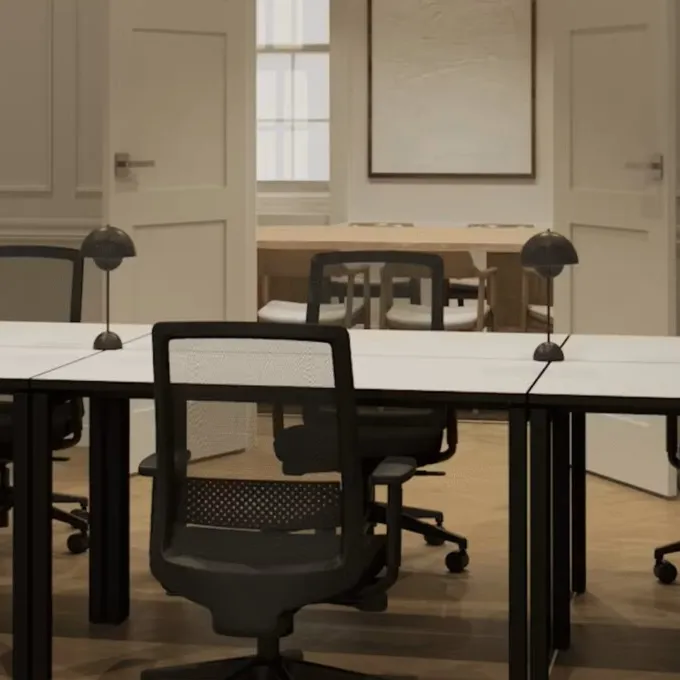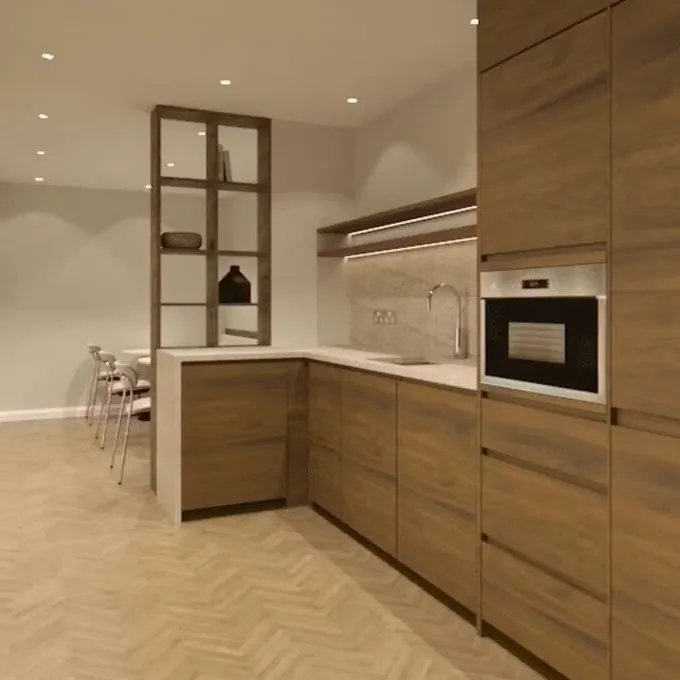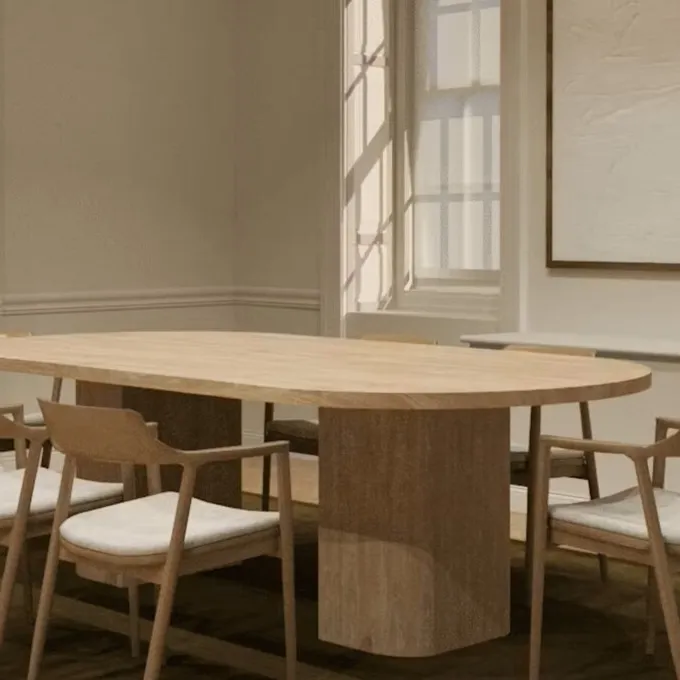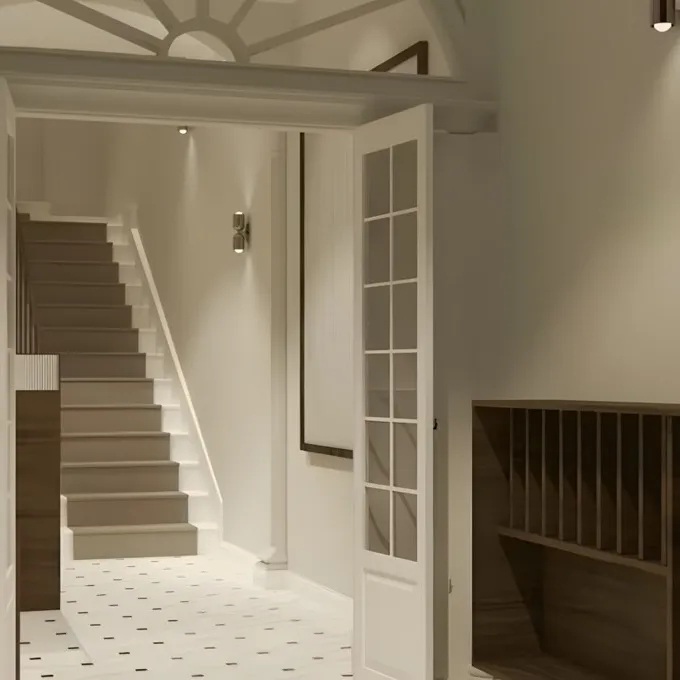


Featured Office Guides
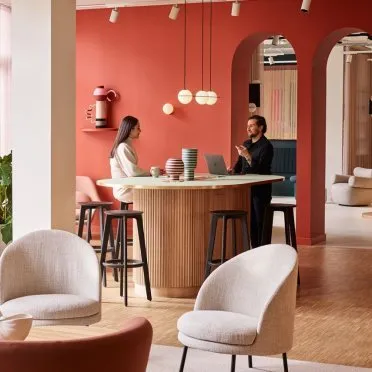
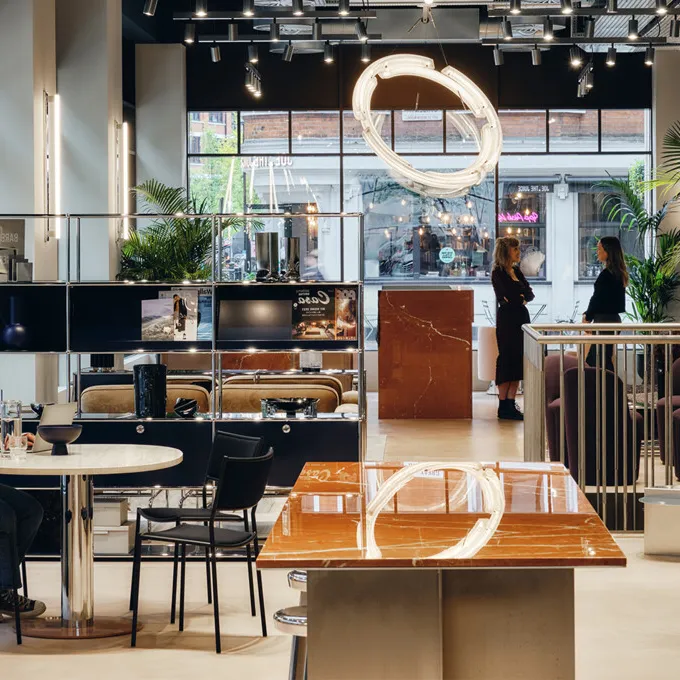
Moving into a new office space is an exciting milestone for any business, whether you're...
Read More - A Guide to Moving Offices
Flexible Office Spaces vs Traditional Leases
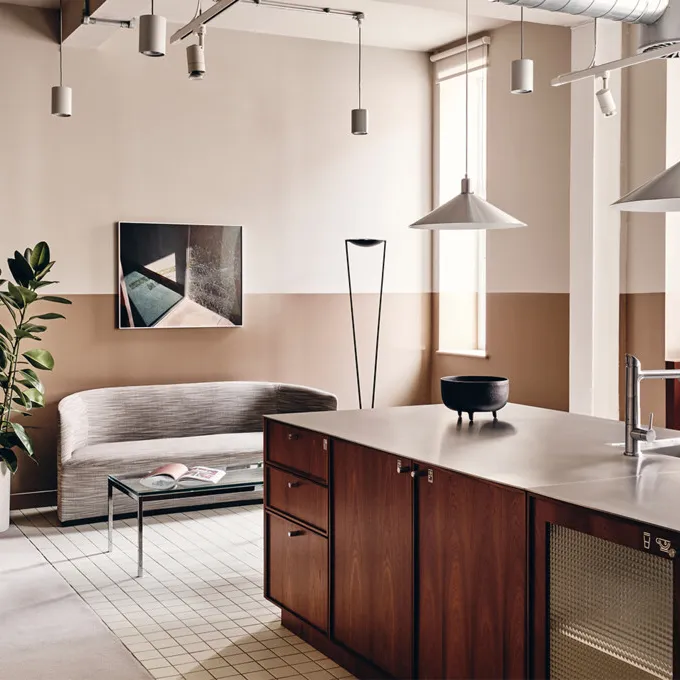
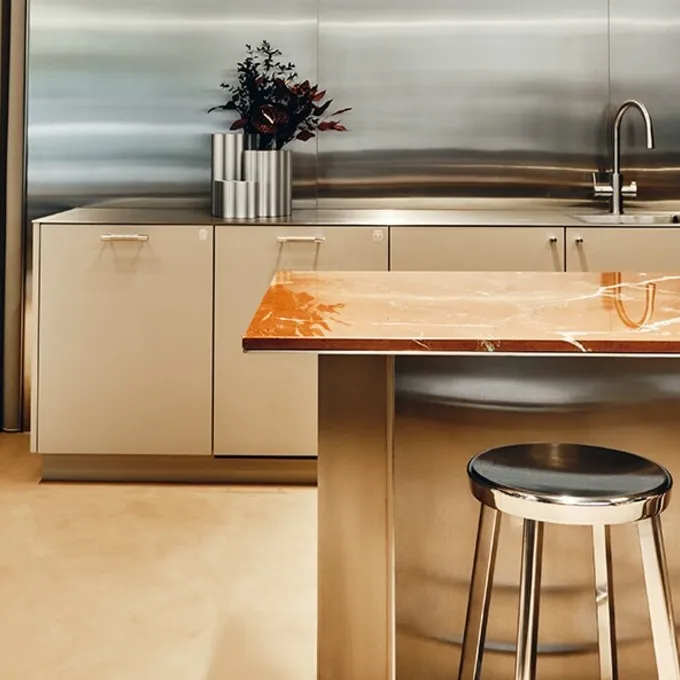
The way we think about offices is changing, with the pandemic and the rise of remote...
Read More - Flexible Office Spaces vs Traditional LeasesHome > Servicedoffices > Advantages2.Html
Showing 1 - 24 of 4267
26 - 138 people
POA
Spread over three floors of One New Change in the financial heart of the City, St Paul’s comes with impeccable sustainability credentials.
Facilities
 24 Hr Access
 Broadband
 Meeting rooms
 Kitchen
 Wi-Fi
Wi-FiTransport
 St. Paul's(1 min)Barbican(3 mins)
1 - 160 people
POA
Situated on the 13th floor the centre will provide clients with stunning views of the central London skyline.
Facilities
 Car Park24 Hr AccessBroadbandMeeting roomsKitchen
Transport
Oxford Circus(5 mins) Oxford Circus(5 mins)
6 - 16 people
From £2800/mo
Immerse yourself in an atmosphere that exudes comfort, sophistication, and a steadfast commitment to the new era of working.
Facilities
24 Hr AccessBroadbandMeeting roomsKitchenWi-FiTransport
Oxford Circus(4 mins)Regent's Park(4 mins)2 - 185 people
From £1700/mo
This imposing baroque building was designed by James S.
Facilities
24 Hr AccessBroadbandMeeting roomsKitchen Furnished
Transport
Oxford Circus(4 mins)Oxford Circus(4 mins)6 - 44 people
From £4500/mo
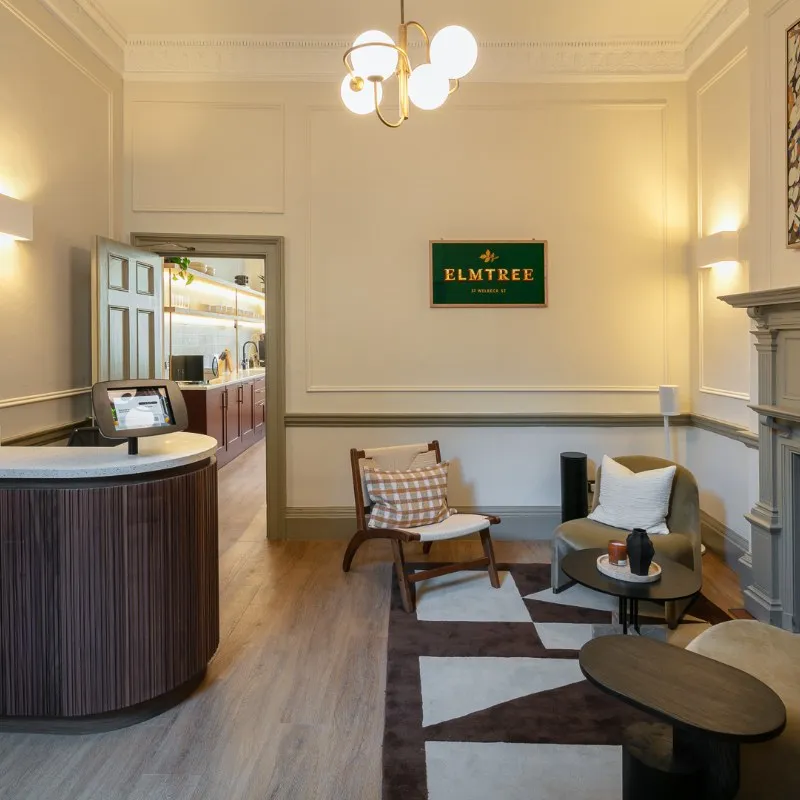
Welcome to Elmtree by Spacemade, where modern elegance blends with timeless charm.
Facilities
24 Hr AccessBroadbandMeeting roomsKitchenWi-FiTransport
Regent's Park(5 mins)Great Portland Street(5 mins)1 - 200 people
From £850/mo
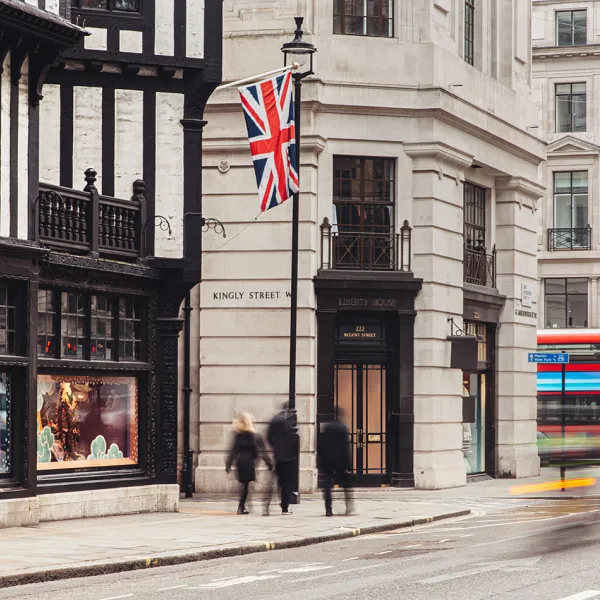
Built in 1926, Liberty House is next to Liberty, the world-famous department store.
Facilities
24 Hr AccessBroadbandMeeting roomsKitchenFurnishedTransport
Piccadilly Circus(6 mins)Green Park(7 mins)3 - 120 people
From £2700/mo
Brock House is located in the Fitzrovia neighbourhood, with links to the West End neighbourhood.
Facilities
24 Hr AccessBroadbandMeeting roomsKitchenWi-FiTransport
Great Portland Street(2 mins)Oxford Circus(3 mins)8 - 30 people
From £695/mo
The property comprises an attractive grade 2* listed office building spanning over six floors and was constructed in 1775.
Facilities
24 Hr AccessMeeting roomsKitchenWi-Fi Breakout Space
Transport
Regent's Park(3 mins)Great Portland Street(3 mins)2 - 60 people
From £4550/mo
This business centre is nestled on beautiful Foley Street with trees and red bricks all around.
Facilities
24 Hr AccessBroadbandMeeting roomsKitchenWi-FiTransport
Great Portland Street(3 mins)Goodge Street(4 mins)40 - 90 people
From £44820/mo
Included: 500 MB shared, IT support, modern building, excellent meet and greet reception, flexible space bespoke layouts, business lounges, and meeting rooms with video conferencing..
Facilities
Meeting roomsKitchenWi-FiFurnished Air Conditioning
Transport
Goodge Street(2 mins)Tottenham Court Road(3 mins)1 - 100 people
From £1206/mo
A popular business destination, the centre is within easy walking distance from Tottenham Court Road, Oxford Circus and Great Portland Street Stations.
Facilities
24 Hr AccessBroadbandMeeting roomsKitchenWi-FiTransport
Great Portland Street(1 min)Goodge Street(3 mins)2 - 20 people
From £1092/mo
Located on the North side of Devonshire Street at its junction with Hallam Street.
Facilities
24 Hr AccessBroadbandMeeting roomsKitchenWi-FiTransport
Great Portland Street(1 min)Regent's Park(2 mins)3 - 95 people
From £2454/mo
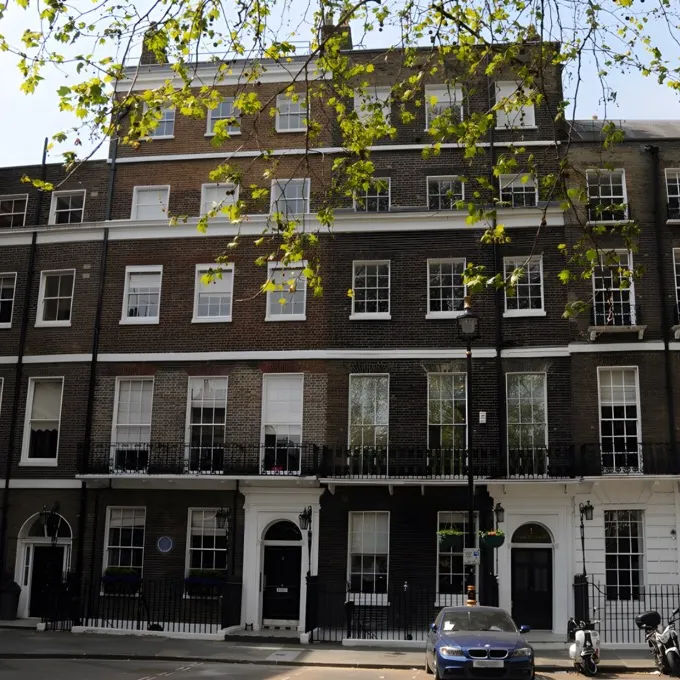
A peaceful Georgian townhouse and refined Work Space in the middle of bustling Marylebone.
Facilities
BroadbandMeeting roomsKitchenFurnished Phone Booths
Transport
Marble Arch(5 mins)Oxford Circus(6 mins)1 - 30 people
From £650/mo
This office is a clever combination of two different buildings which gives you a choice of styles and addresses.
Facilities
24 Hr AccessMeeting roomsKitchenFurnished Pets Friendly
Transport
Bond Street(1 min)Bond Street(1 min)3 - 95 people
From £2454/mo
The building provides a range of flexible office spaces, accommodating teams from 3 to 16 desks, alongside meeting rooms and fully equipped kitchens.
Facilities
Meeting roomsKitchenFurnishedPhone BoothsBreakout SpaceTransport
Marble Arch(4 mins)Oxford Circus(6 mins)2 - 65 people
From £2600/mo
Offering three floors of luxury workspace in an exceptional location on the corner of Brook Street and South Molton Lane.
Facilities
24 Hr AccessMeeting roomsKitchenWi-FiFurnishedTransport
Green Park(5 mins)Marble Arch(6 mins)6 - 149 people
POA
75 Grosvenor Street offers a premium workspace within a stunning Grade II listed building.
Facilities
24 Hr AccessMeeting roomsKitchenWi-FiFurnishedTransport
Green Park(4 mins)Piccadilly Circus(6 mins)4 - 65 people
From £5200/mo
Offering two floors of luxury workspace in a prime location in Mayfair.
Facilities
24 Hr AccessMeeting roomsKitchenWi-FiFurnishedTransport
Green Park(5 mins)Marble Arch(8 mins)8 - 65 people
From £10400/mo
Offering three floors of luxury workspace on the prestigious Grosvenor Street in central Mayfair.
Facilities
24 Hr AccessBroadbandMeeting roomsKitchenWi-FiTransport
Green Park(5 mins)Marble Arch(5 mins)1 - 20 people
From £2000/mo
Pall Mall is one of London's most famous and desirable streets.
Facilities
Car Park24 Hr AccessBroadbandMeeting roomsKitchenTransport
Green Park(4 mins)Piccadilly Circus(4 mins)3 - 19 people
From £1800/mo
The centre has been designed to create the ideal environment for your business to thrive, from the latest technology to sleek executive furniture.
Facilities
24 Hr AccessBroadbandMeeting roomsKitchenWi-FiTransport
Green Park(3 mins)Piccadilly Circus(5 mins)1 - 20 people
From £1820/mo
Farm Street is a discreet, completely unbranded London business centre located just one minute from Berkeley Square.
Facilities
Car Park24 Hr AccessBroadbandMeeting roomsKitchenTransport
Green Park(3 mins)Marble Arch(6 mins)2 - 2000 people
From £700/mo
Just seconds from Green Park tube station (located on Stratton Street) is this Grade II listed building - originally an arts and crafts residence.
Facilities
24 Hr AccessBroadbandMeeting roomsKitchenFurnishedTransport
Green Park(3 mins)Piccadilly Circus(5 mins)2 - 70 people
From £2650/mo
Luxury, flexible serviced offices, spread across six floors, and is just a one-minute walk from Green Park station.
Facilities
24 Hr AccessBroadbandMeeting roomsKitchenWi-FiTransport
Green Park(1 min)Piccadilly Circus(5 mins)Items per page
Looking for an office space that suits the needs of your business whilst offering best value for money? Whatever your employee setup, whatever your budget, we’ll help you find the perfect fit for your team.
Please complete this form and we will contact you right away to discuss your requirement.
Tell us more about your office requirements.