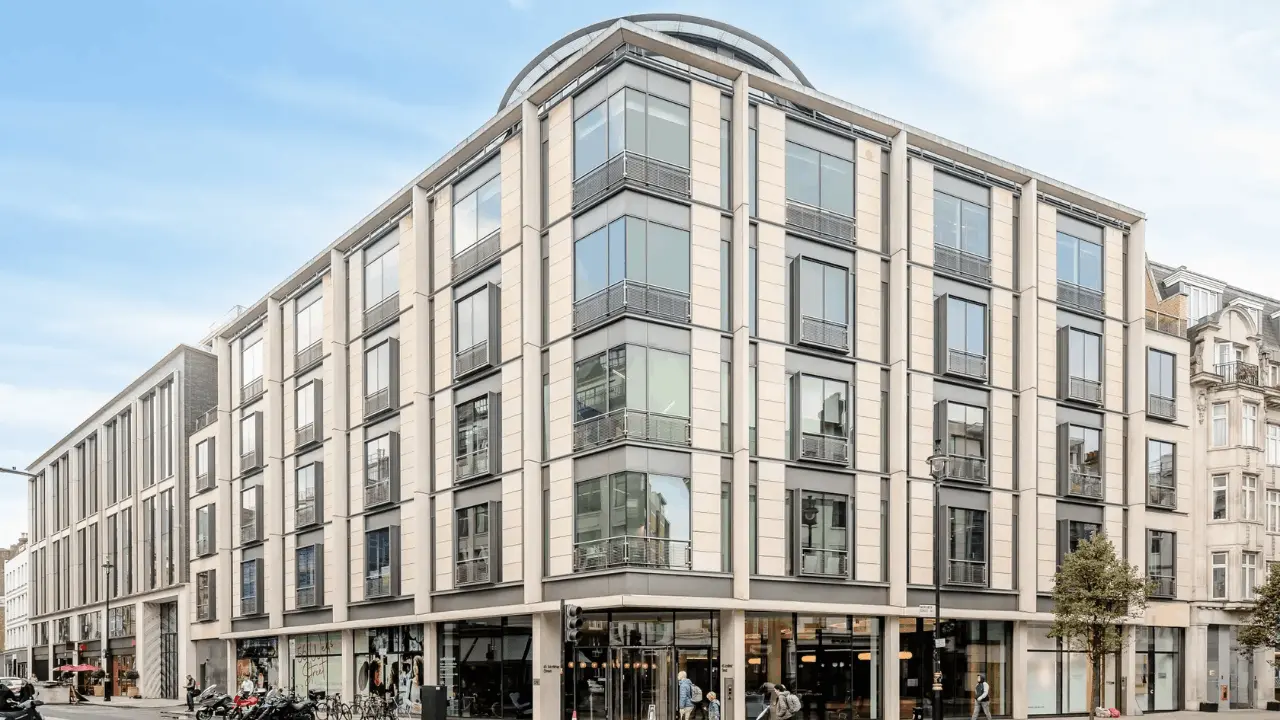
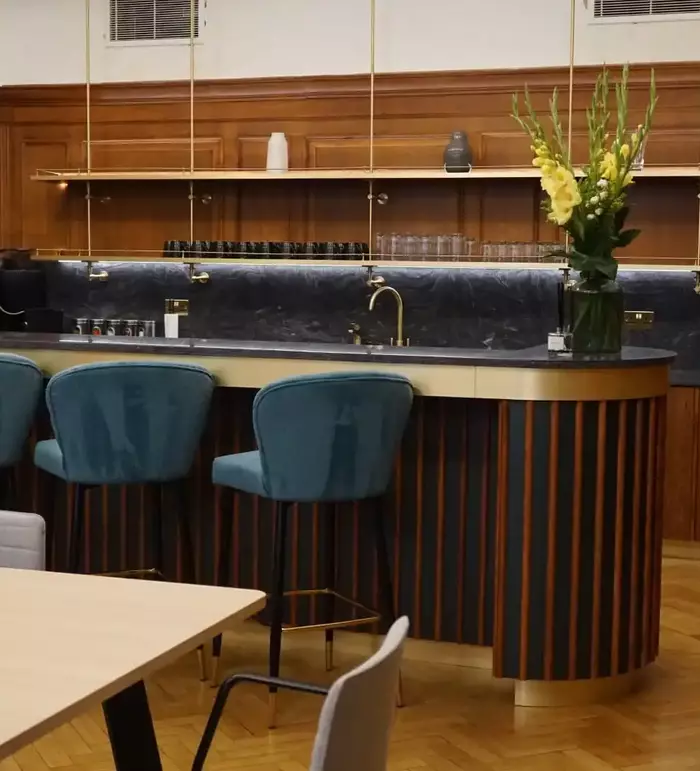
A rumoured deal in Fitzrovia is doing the rounds: Great Portland Estates (GPE) is reportedly in talks to sell its wells&more building for more than £170m, with Feldberg Capital linked to the buyer side. The chatter matters because it sits right where the London office market is most honest, in the West End, where tenants still pay up for quality, and investors still fight over the right buildings.
If the GPE wells&more sale completes at the level being discussed, it will say a lot about three things at once. First, the demand for top-grade, well-located offices has not disappeared; it has just become more selective. Second, that even trophy assets can be traded when the seller wants to recycle capital. Third, the brown-to-green push is no longer a nice-to-have story, it is becoming a core investment strategy.
For businesses looking at office space now, this kind of deal is a useful reality check. Big investors are betting on buildings that are easier to lease, easier to upgrade, and easier to justify to staff who have choices about where they work.
If you're benchmarking options in the area, our office space to rent in Fitzrovia page is a practical starting point because it shows live availability across multiple operators and building styles, not just one brand.
Key takeaways
- The GPE wells&more sale story shows demand is strongest for best-in-class space
- Trophy disposals can be about timing, not trouble, when pricing is still strong
- Brown-to-green capital targets offices that can be upgraded, then re-let at a premium
- In Fitzrovia, connectivity and amenities keep pulling tenants back into the office
- The GPE wells&more sale highlights why flexibility matters when leases reset
What the GPE wells&more sale is, and why it matters
The reporting so far is simple: GPE is said to be in exclusive talks to sell wells&more in Fitzrovia for north of £170m, with Feldberg Capital linked as the potential buyer. That report is from Flex & The City's report on the £170m-plus Wells & More sale talks, which frames the move as part of a wider GPE disposal programme rather than a one-off sale.
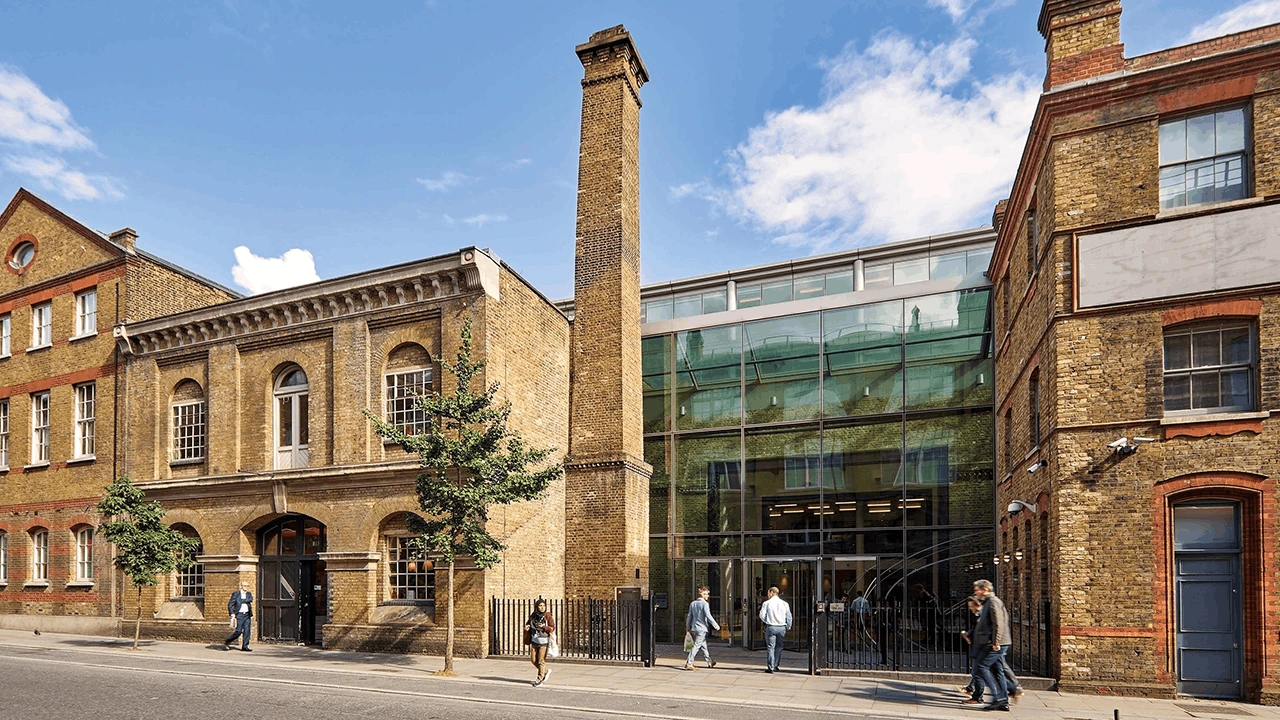
The key point is not the gossip, it is what a serious buyer would be paying for: West End offices that look and feel new, even when the structure has history. According to the marketing materials, the building is being pitched as a freehold, mixed-use asset with a large office component, strong amenities, and sustainability credentials like an EPC B and all-electric enabling. (Those details appear in the Wells & More, W1 listing being handled by JLL.)
In plain terms, the GPE wells&more sale matters because it sits at the intersection of leasing demand and retrofit expectations. Investors are no longer just buying square footage in a postcode, they are buying the ability to keep a building competitive for the next leasing cycle.
The asset, the pricing talk, and what exclusive talks usually mean
wells&more sits on the corner of Wells Street and Mortimer Street, and GPE positions it as a Ready to Fit and Fully Managed workplace product. That language is telling because it mirrors what many occupiers now want: shorter lead times, less project risk, and an office that feels finished from day one, as GPE sets out on its wells&more portfolio page.
The pricing being discussed publicly is £170m+, while JLL's Wells & More investment listing invites offers in excess of £180m, which suggests either price discovery is still moving, or the headline number is a simplified version of a more complex negotiation.
Either way, it puts the building firmly in trophy territory for Fitzrovia, where brand, design, and location play a bigger role than in a standard mid-market letting.
Why Fitzrovia keeps showing up in big-ticket West End deals
Fitzrovia is a sweet spot for companies that want the West End without being boxed into Mayfair's pure prestige pricing. It has strong transport links, a walkable feel, and the kind of food and retail mix that makes it easier to persuade people to come in, especially for collaboration days.
That blend supports what many investors call Fitzrovia office investment logic: smaller supply pockets, high demand from creative and professional services, and pricing power when a building genuinely stands out.
If you're comparing areas and budgets, it helps to scan the wider market too, and our London office space hub gives a broader view across zones and formats, so you can sense-check Fitzrovia against nearby districts.
London office demand is splitting into two markets
People often talk about London office demand as if it is one thing. It isn't. What's happening in practice is a split between buildings that feel current, efficient, and attractive, and buildings that feel dated, expensive to run, or hard to justify to staff.
That is why deals like the GPE wells&more sale are watched so closely. The buyer is not simply betting that offices will fill up again, they are betting that the best offices will stay liquid, both in leasing and in investment markets, even when weaker stock struggles.
There is also a second split happening: between companies that want long leases to lock in certainty, and companies that want flexibility because headcount planning is less predictable than it used to be. That is where the market has moved beyond WFH vs office debates and into more practical questions about risk, speed, and employee experience.
Best-in-class is not just marketing, it changes leasing risk
In a normal cycle, location does a lot of the heavy lifting. In the current cycle, building performance matters more because tenants are picking fewer days in the office and expecting more value when they are there. That means better arrival experiences, decent breakout areas, good air quality, and flexible layouts that support different work modes.
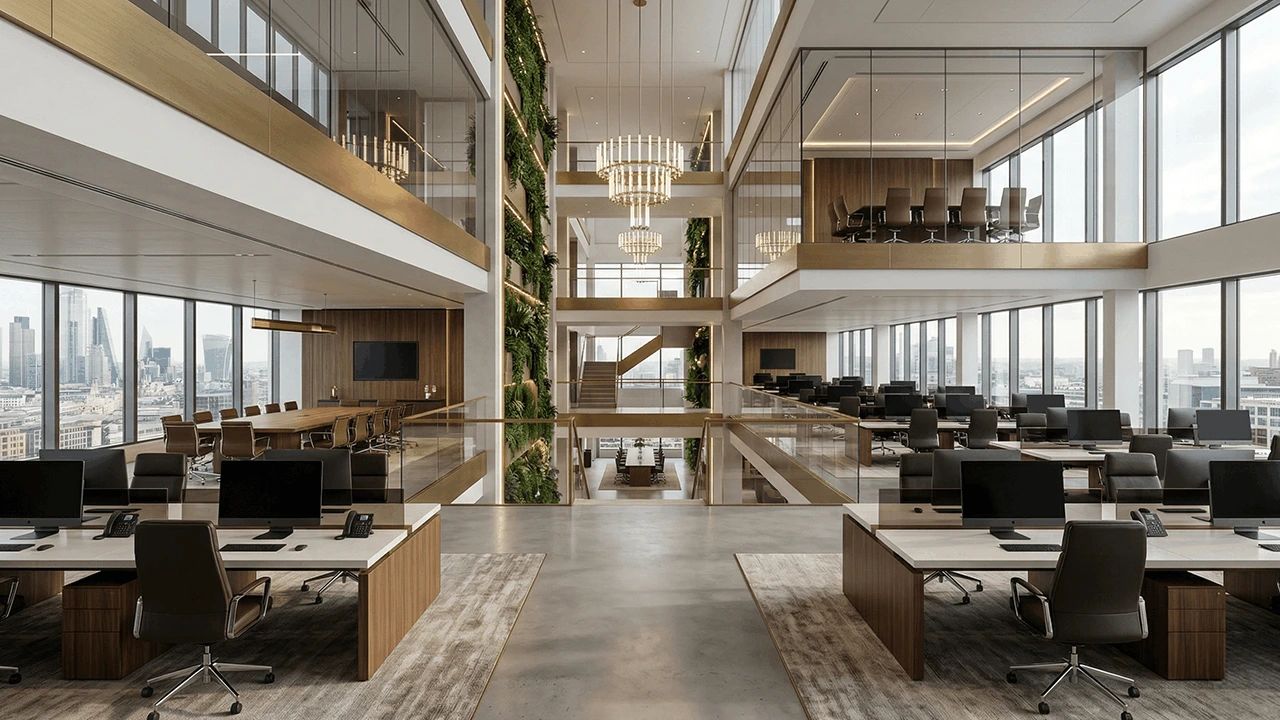
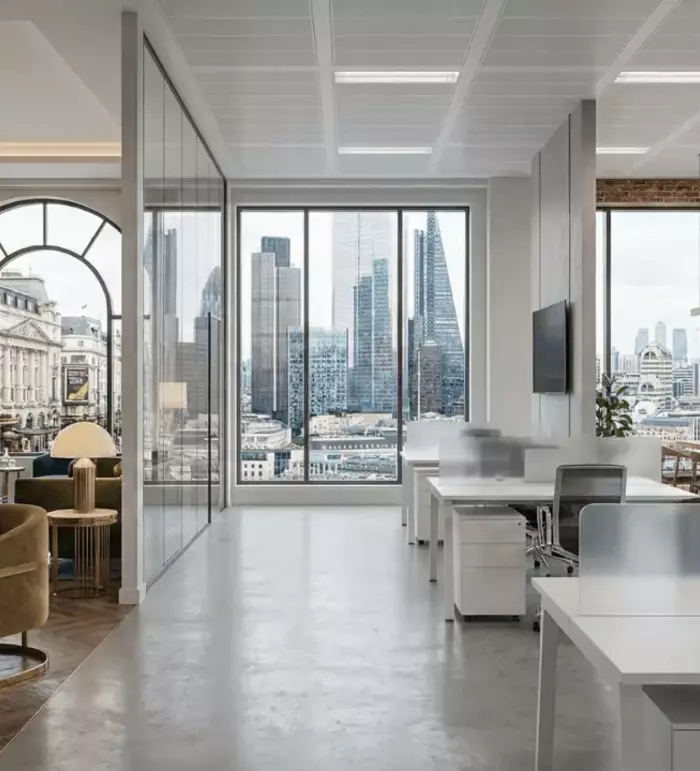
The JLL material for Wells & More leans heavily on amenities, and minimal near-term capex, which is investor-speak for this should not need major spending just to stay lettable. And GPE itself talks about the reception experience and courtyard, which are the kind of features that help a space feel social rather than purely functional.
A quick way to ground this in numbers is to use curated stats rather than vibes, and Flexioffices' UK office space statistics 2025 report is useful for that because it groups data into decisions teams actually make, like location, cost, and flex adoption.
Why amenity-rich buildings win even when headlines say WFH
The office is now competing with home, but it is also competing with other offices. The winners tend to be buildings where teams can do things they cannot easily do on video calls: train juniors, run workshops, host clients, and build culture without forcing everyone into the same routine.
This is one reason Fitzrovia office investment continues to attract attention. If you can offer a great commute, a great day-to-day experience, and enough flexibility to grow or shrink, you widen your tenant pool, and that helps protect value.
Trophy disposals: why landlords are selling their showpieces
A trophy disposal sounds dramatic, but it is often just portfolio management. Many listed landlords and large funds regularly sell strong assets, not because they are bad assets, but because the pricing is attractive or the capital is needed elsewhere.
This is where the GPE wells&more sale story is a useful lens. If you can sell a well-known building at a strong valuation, you can reinvest in developments, refurbishments, or debt reduction, depending on what the business needs most at that point in the cycle.
It also reflects a wider truth: in choppy markets, liquidity has a premium. The assets that can still trade are often the same assets that are easiest to lease.
Recycling capital vs holding for rent growth
A landlord might hold a trophy asset because they believe rents will grow and the building will outperform. Or they might sell it because they believe the next phase of value creation is elsewhere, for example, in a refurbishment pipeline or a different micro-location.
What makes this cycle different is that value creation is increasingly tied to sustainability upgrades and operational performance, not just cosmetic refurbishments. That brings retrofit economics into the heart of investment decisions.
Debt, discounts, and the new price discovery cycle
Even if you are not a property investor, the financing angle affects you because it shapes how landlords negotiate. When borrowing costs rise, some owners need to de-risk, and one way to do that is to sell assets that buyers will still pay up for.
If a building like wells&more is being courted at the levels reported, it suggests there is still a real buyer pool for high-quality West End product. That is generally a positive signal for occupiers too, because active capital tends to mean ongoing investment in building quality, services, and upgrades.
The brown-to-green investment wave, and what Feldberg's Cora signals
The most interesting part of the story may not be the price, it may be the buyer. Feldberg Capital's Cora strategy is explicitly framed as a brown-to-green workplace fund aimed at Central London, especially the West End, and the firm describes this directly on the Cora fund page.
Feldberg's own description is straightforward: buy older offices with potential, retrofit them into greener, future-focused workplaces, then benefit from demand for best-in-class space.
So if Feldberg is circling the deal, the GPE wells&more sale becomes a proxy for what brown-to-green investors want: prime location, strong bones, and a clear route to keeping the asset top tier as standards rise.
Brown-to-green explained in plain English
Brown-to-green is the idea of upgrading existing buildings rather than knocking them down and starting again. That can mean electrifying systems, improving insulation and glazing, cutting energy use, and modernising layouts so space works better for today's teams.
There is a business reason for it too. New build supply in prime areas is limited, and planning can be slow. Retrofitting can be faster, and if done well, it can create the kind of space that tenants will pay a premium for, without waiting years for a ground-up project.
This is also where the flex market often lines up with brown-to-green goals. A refurbished, efficient building pairs well with a managed or fitted offer, because occupiers can move quickly and avoid the waste of constant strip-outs and refits.
If you are weighing up formats, Flexioffices' guide to flexible office space is a clear explainer of what flex really means in 2026, beyond hot desks and clichés.
MEES pressure: why EPC and retrofit plans now affect value
Energy standards are not just a PR issue. In England and Wales, Minimum Energy Efficiency Standards (MEES) already restrict the letting of the worst-performing non-domestic buildings, and government guidance sets out landlord obligations around EPC ratings and exemptions in the MEES guidance for non-domestic landlords.
The direction of travel is clear even when timelines shift: buildings that are expensive to run, hard to upgrade, or likely to fall behind future standards face greater risk. That risk can show up as longer voids, higher incentives, or heavier capex demands. And that is the exact gap brown-to-green funds aim to price, then fix.
What this means for occupiers choosing space in 2026
It is easy to read about a £170m-plus building and think it has nothing to do with your 30-person team. In reality, the same forces shape the spaces you will tour next week. Landlords are investing in better amenities and stronger sustainability performance because tenants keep choosing those buildings first.
The GPE wells&more sale also highlights another point: the line between landlord product and flex product is blurring. GPE markets wells&more as a managed, ready-to-fit solution, which looks a lot like what occupiers ask for when they want a private office with fewer headaches.
If you want HQ energy without HQ risk
Many businesses want a space that feels like a headquarters, but they do not want a five- to ten-year bet on headcount. That is where managed offices, fitted solutions, and flexible leases can be a smart middle path. You get brand control and privacy, but you can still adapt.
If that sounds familiar, our managed office space page sets out how managed deals tend to work, including what is usually included and where costs can creep in.
Before a short checklist helps, it's worth naming the big mindset shift. In 2026, the best occupier strategy is often about reducing regret. You want a space that your team likes, that you can afford if growth slows, and that you can adjust if growth accelerates.
Here are a few practical questions that often separate a good deal from a painful one:
- What happens to the cost per desk if the headcount drops by 15%?
- Which parts of the fit-out are reversible, and who pays to change them?
- Is the building's energy performance good enough to satisfy client tenders?
- How quickly can you add meeting rooms, phone booths, or focus space?
- What is the real move-in timeline, including IT, furniture, and approvals?
Once you have those answers, the decision gets calmer. You are comparing trade-offs instead of guessing, and that tends to lead to better outcomes.
A practical way to compare serviced, managed, and leased options
Most teams end up comparing three routes: serviced offices for speed, managed offices for control with flexibility, and traditional leases for maximum control with maximum responsibility.
Instead of treating it like a lifestyle choice, treat it like a risk choice. What risks can you carry in-house, and what risks do you want a provider or landlord to carry for you? That one question often does more than any spreadsheet.
If you want a simple framework, Flexioffices' complete guide to serviced, managed & leased office models is designed for exactly that comparison, with plain language and realistic scenarios.
And if sustainability is part of your brand or procurement process, Flexioffices' B Corp-friendly office space checklist can help you ask for evidence rather than relying on green-sounding promises.
Conclusion
Whether the deal lands at £170m, £180m, or not at all, the signal is already useful. The market is rewarding offices that feel great, run efficiently, and sit in locations people will actually travel to. That is why the GPE wells&more sale story has travelled so fast.
For occupiers, the lesson is practical: aim for quality, but build in flexibility. When the market is splitting into winners and laggards, your best advantage is choosing space that can keep up with your business, not space that locks you into yesterday's assumptions.
FAQs
What is the GPE wells&more sale, and has it completed?
The GPE wells&more sale is being reported as a potential disposal of the wells&more building in Fitzrovia for more than £170m, with Feldberg Capital linked as a possible buyer. Public reporting suggests discussions are in progress, and JLL's listing indicates the asset is under contract, so it appears to be moving, but completion details are not yet confirmed in an official announcement.
Why do investors pay so much for Fitzrovia offices?
Fitzrovia combines West End proximity with strong transport access and a lively, walkable neighbourhood, which supports leasing demand. That makes it attractive for Fitzrovia office investment strategies focused on long-term occupier appeal and the limited supply of standout buildings.
What does brown-to-green mean in office property?
Brown-to-green means buying or holding an older building and upgrading it to modern sustainability and performance expectations, rather than replacing it. The goal is to reduce energy use and carbon, improve the workplace experience, and protect long-term letting demand.
How do energy standards affect office values?
Energy standards can affect whether a building can be legally let, how costly it is to operate, and what upgrades are needed over time. For non-domestic property, the UK's MEES rules already set minimum EPC requirements in many cases, which is why retrofit plans can influence value and liquidity.
What should a growing business do if it wants West End quality without a long lease?
Start by comparing serviced, managed, and flexible lease options, then match them to your headcount uncertainty and move-in timeline. A managed office or fitted solution can often deliver the feel of a premium building with less commitment risk than a traditional lease.